Arial Narrow Font GHI: A Strategic Tool for Creative and Professional Expression
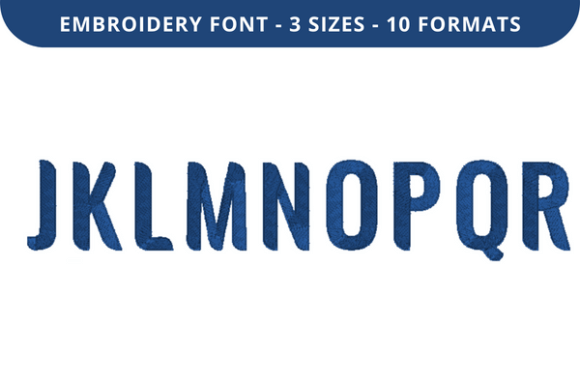
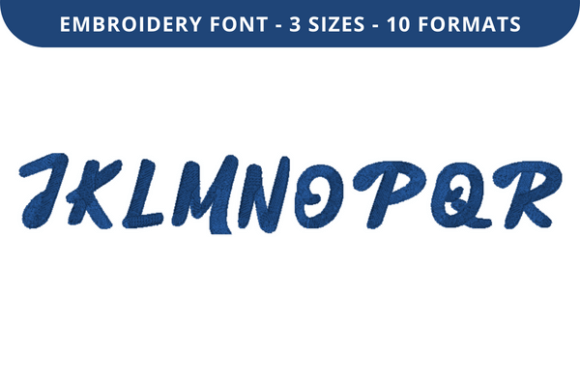
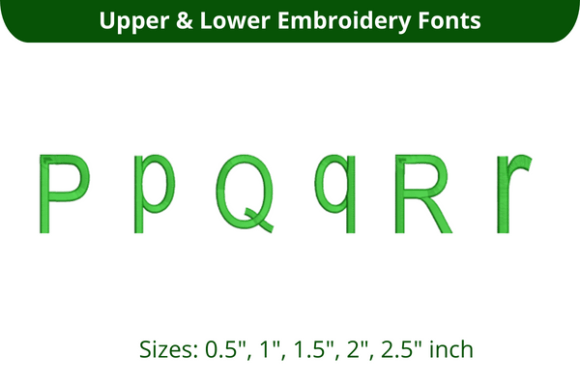
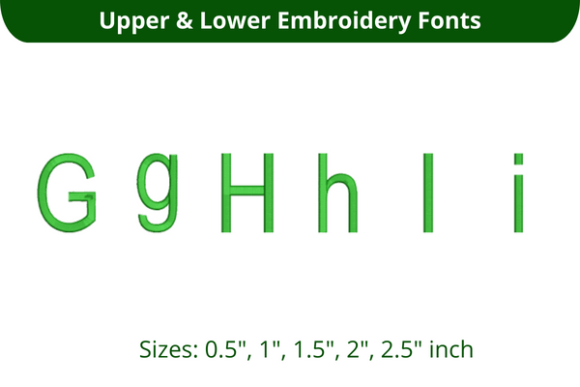
The Arial Narrow Font GHI is a versatile and high-quality embroidery font designed to elevate personalization in fabric-based projects. Its clean, structured design makes it ideal for adding names, dates, or quotes to clothing, accessories, and other textiles. This font is particularly valuable for individuals and businesses looking to create custom designs that are both professional and visually appealing.
One of the key advantages of Arial Narrow Font GHI is its compatibility with multiple embroidery file formats. Whether you're using a home embroidery machine or a commercial one, this font can be easily integrated into your workflow. This flexibility ensures that you can apply it across various projects without limitations, making it a practical choice for designers, entrepreneurs, and hobbyists alike.
Strategic Use of Arial Narrow Font GHI
Understanding when and how to use Arial Narrow Font GHI can significantly impact the effectiveness of your creative or business endeavors. For instance, if you're running a small business that offers personalized items, this font can help you deliver consistent and high-quality results efficiently. By choosing a font that’s easy to read and visually cohesive, you enhance the overall customer experience and reinforce your brand identity.
In planning your projects, consider the purpose of the design. If you’re creating embroidered items for events, such as weddings or corporate functions, Arial Narrow Font GHI provides a sophisticated look that aligns with formal settings. On the other hand, if you’re designing for casual wear or DIY projects, its simplicity can add a modern touch without overwhelming the overall aesthetic.
Planning and Positioning with Arial Narrow Font GHI
When incorporating Arial Narrow Font GHI into your workflow, it’s important to plan the placement and scale of the text. The font’s narrow structure means that it may require more space than wider fonts, so careful consideration of layout is essential. This is especially true for larger designs where spacing and balance play a critical role in the final outcome.
Positioning the text on the fabric also affects the overall impact. For example, placing names or dates in a central location can draw attention and make the design more prominent. Alternatively, using the font for smaller details, such as tags or labels, can add a subtle yet professional finish to your work.
Enhancing Communication and Creativity
Arial Narrow Font GHI supports clear communication by offering a readable and elegant style that works well in both digital and physical formats. This makes it an excellent choice for projects that require precise text, such as logos, slogans, or motivational quotes. Its versatility allows it to be used in a wide range of contexts, from fashion to marketing materials.
For creators and marketers, this font can serve as a tool for storytelling. By embedding meaningful phrases or personal messages into embroidered designs, you can connect with your audience on a deeper level. This emotional connection can enhance brand loyalty and drive engagement, making Arial Narrow Font GHI a strategic asset in your creative toolkit.
Productivity and Efficiency
Using Arial Narrow Font GHI can streamline your production process, especially if you’re working on multiple projects simultaneously. Its compatibility with different embroidery machines and file formats reduces the need for additional software or adjustments, saving time and effort. This efficiency is particularly beneficial for professionals who manage tight deadlines or handle high-volume orders.
Additionally, the font’s consistency ensures that your designs maintain a uniform appearance across all projects. This is crucial for maintaining brand standards and delivering a polished look to your customers. By relying on a single, reliable font, you minimize the risk of inconsistencies that could affect the quality of your work.
Learning and Skill Development
For those new to embroidery, Arial Narrow Font GHI offers a great opportunity to develop technical skills. Its straightforward design makes it easier to understand and apply, allowing beginners to experiment with different styles and layouts. As they gain confidence, users can explore more complex designs while still benefiting from the font’s reliability.
Moreover, learning to use this font effectively can improve overall design literacy. Understanding typography principles, such as spacing, alignment, and contrast, becomes more intuitive when working with a structured font like Arial Narrow Font GHI. This knowledge can be applied to other areas of design, enhancing creativity and problem-solving abilities.
Branding and Long-Term Value
Branding is a long-term investment, and the choice of font plays a significant role in shaping a brand’s identity. Arial Narrow Font GHI can contribute to a strong brand presence by offering a clean and professional look that resonates with target audiences. Its adaptability ensures that it remains relevant across different platforms and mediums.
Over time, consistent use of this font can build recognition and trust among customers. When people see the same font associated with your products or services, it reinforces brand recall and credibility. This long-term value makes Arial Narrow Font GHI a smart choice for businesses aiming to establish a lasting presence in their market.
Risks of Unintentional Use
While Arial Narrow Font GHI is a powerful tool, it’s important to use it intentionally rather than randomly. Without clear goals or context, the font may not achieve the desired effect. For example, using it inappropriately for large-scale text could lead to readability issues, undermining the effectiveness of the design.
Additionally, overusing the font in multiple projects without variation may result in a lack of visual diversity. This can make your work appear repetitive or unoriginal, which may negatively impact your brand’s appeal. To avoid these risks, take the time to evaluate each project’s requirements and determine whether Arial Narrow Font GHI is the best fit.
Decision-Making and Practical Guidance
When deciding to use Arial Narrow Font GHI, consider the specific needs of your project. Ask yourself questions such as: What message am I trying to convey? Who is my target audience? How will this font align with my overall design strategy? These questions can help guide your decision-making process and ensure that the font serves a clear purpose.
Before finalizing your design, test the font on different fabrics and sizes to see how it performs. This step can reveal any potential issues, such as distortion or poor visibility, allowing you to make adjustments before production. By taking a thoughtful approach, you increase the likelihood of achieving successful outcomes.
Conclusion: Embracing Strategy in Design
Arial Narrow Font GHI is more than just a decorative element—it’s a strategic choice that can influence the success of your creative and business ventures. By understanding its strengths, limitations, and applications, you can leverage it to enhance your work and achieve better results. Whether you’re personalizing items for clients, building a brand, or exploring new design possibilities, this font offers a reliable and effective solution.
Intentional use of Arial Narrow Font GHI requires planning, creativity, and a focus on long-term value. By approaching it with a strategic mindset, you can unlock its full potential and create designs that resonate with your audience. Ultimately, the goal is to use this font not just as a tool, but as a part of a broader vision for growth and excellence.